Technology
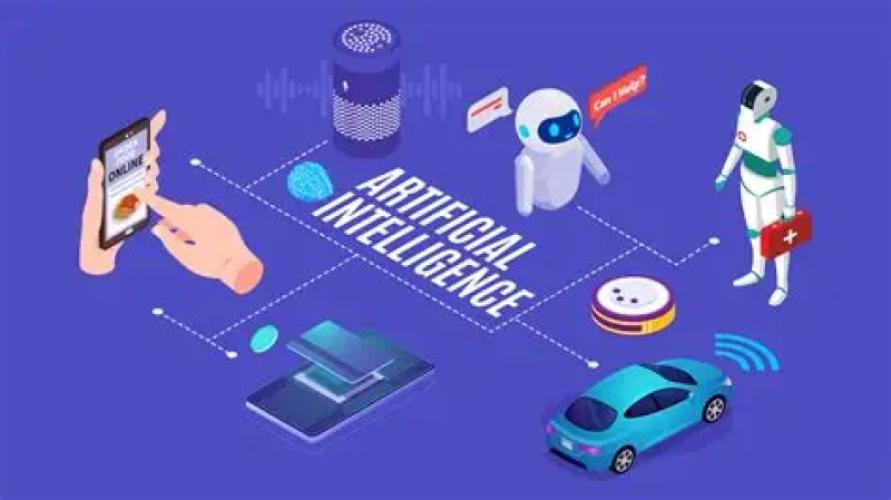
Artificial intelligence is rapidly evolving beyond simple text-based tools into powerful multimodal systems that can understand images, voice, and real-world context. In 2026, these advanced AI assistants are transforming industries, reshaping workplaces, and raising new questions about privacy, creativity, and the future of human-machine collaboration.
By voice
•
18 Apr 2026, 06:48
•
3 min read
Artificial intelligence is entering a new phase in 2026, with the latest generation of AI assistants moving far beyond text-based interactions into fully multimodal systems capable of understanding images, voice, video, and real-world context. This shift is rapidly transforming how individuals and businesses interact with technology.
Over the past year, major tech companies have rolled out AI models that can seamlessly switch between different forms of input. Users can now take a photo of a broken appliance, ask an AI how to fix it, and receive step-by-step visual guidance—all within seconds. These systems are also being integrated into smartphones, cars, and workplace software, making them more accessible than ever.
Experts say this marks a turning point. “We’re no longer just talking to machines—we’re collaborating with them,” said one industry analyst. “AI is becoming more like a digital partner than a tool.”
One of the most noticeable impacts has been in the workplace. Businesses are increasingly adopting AI assistants to handle customer service, generate reports, and even assist in coding and design. Small startups, in particular, are benefiting from tools that allow them to operate with fewer employees while maintaining high productivity.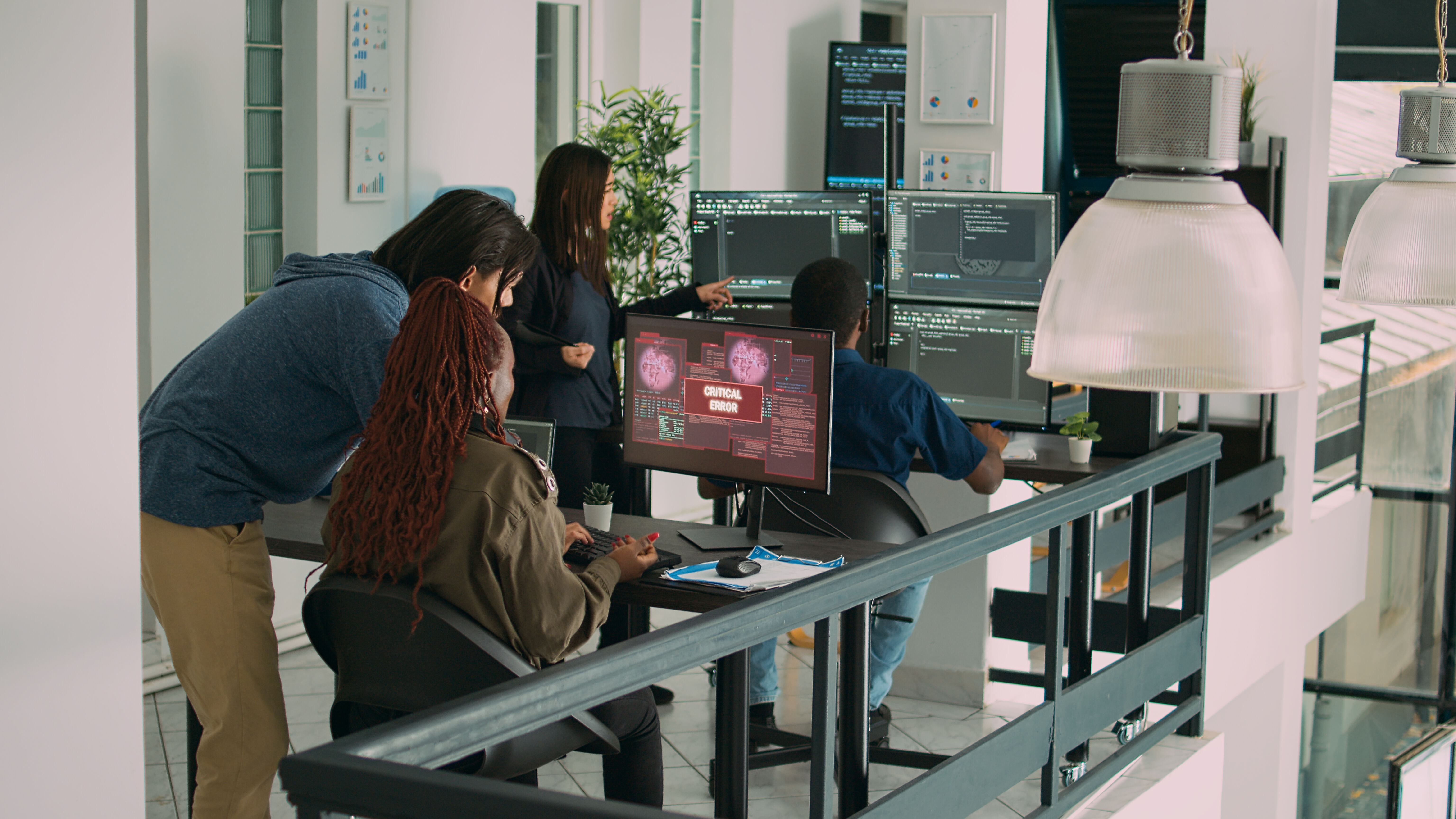
However, this rapid adoption is also raising concerns. Privacy advocates warn that multimodal AI systems require vast amounts of data, including images and voice recordings, which could be misused if not properly regulated. Governments around the world are now working on updated policies to address these risks.
In education, AI is reshaping how students learn. Personalized tutoring systems can now adapt to individual learning styles, offering explanations in different formats—text, diagrams, or spoken lessons. While this has improved accessibility, some educators worry that over-reliance on AI could reduce critical thinking skills.
The creative industry is also experiencing disruption. AI-generated content, including art, music, and video, is becoming increasingly sophisticated. While this opens new opportunities for creators, it also raises questions about originality and ownership. Some artists argue that AI tools should be regulated to ensure fair compensation and credit.
Despite these challenges, investment in AI continues to surge. Analysts predict that global spending on AI technologies will reach record levels this year, driven by demand across sectors such as healthcare, finance, and transportation. In healthcare, for example, AI systems are already assisting doctors in diagnosing diseases faster and more accurately.
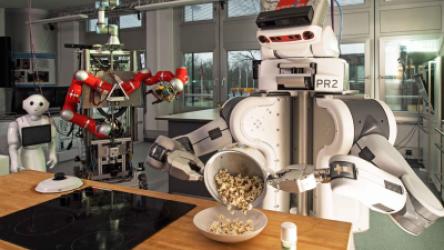
Looking ahead, the next frontier for AI appears to be deeper integration into everyday environments. Smart homes powered by AI could soon anticipate user needs, from adjusting lighting and temperature to managing schedules automatically. Meanwhile, advancements in robotics may bring AI assistants into physical spaces, helping with tasks such as delivery, cleaning, and even elderly care.
For now, one thing is clear: AI is no longer a futuristic concept—it is a present-day reality shaping how people live and work. As technology continues to evolve, the challenge will be balancing innovation with responsibility, ensuring that the benefits of AI are shared widely while minimizing its risks.