Earth
A fragile 10-day ceasefire between Israel and Hezbollah came into force on April 17, 2026, raising cautious optimism across the region amid ongoing diplomatic negotiations over Iran.
By Sirfress Admin
•
17 Apr 2026, 18:26
•
2 min read
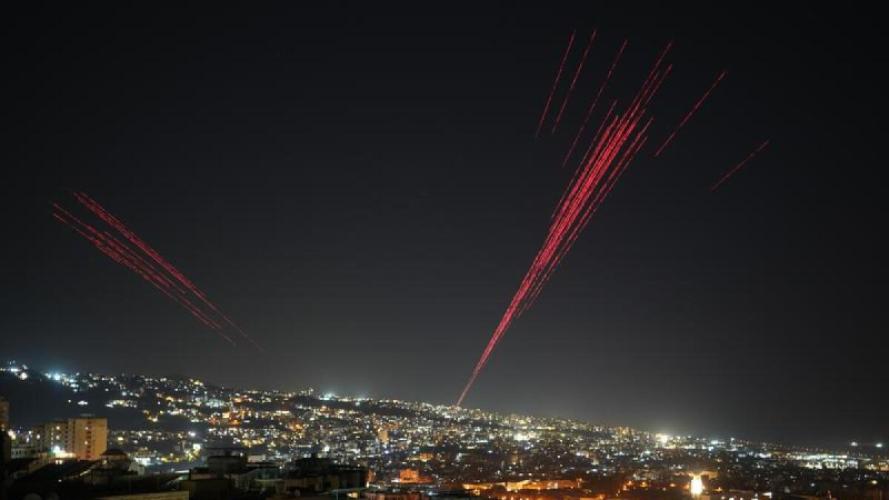
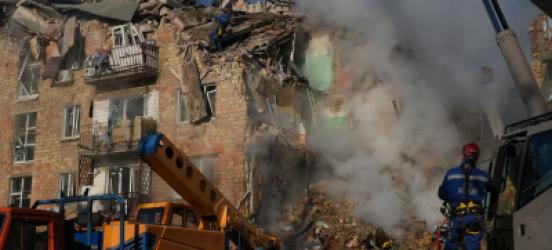
A 10-day ceasefire between Israel and Hezbollah took effect in the early hours of Friday, April 17, 2026, bringing a temporary halt to weeks of intense fighting in southern Lebanon that had claimed hundreds of lives and displaced tens of thousands of civilians.
The ceasefire, brokered in part through the involvement of US Vice President JD Vance, was welcomed by European leaders and international organisations, though many cautioned that a truce was only the first step toward lasting stability. Vance had reportedly "pushed the Israelis for days to be more careful in Lebanon," according to a senior administration official, with the goal of reducing civilian casualties and calming wider regional tensions.
Despite the agreement, Israel's military issued immediate warnings to residents of southern Lebanon not to move south of the Litani River, stating that its forces remained deployed in the area "in the face of Hezbollah's ongoing terrorist activities." Over the previous 24 hours alone, the Israeli military had struck more than 380 Hezbollah targets in the south.
US President Donald Trump announced the ceasefire and expressed optimism about reaching a broader peace deal with Tehran, telling supporters at a Las Vegas event to "watch what happens over the next week or so." Trump projected confidence that Iran was now willing to make concessions it had refused two months earlier, before the US-Israeli military campaign against Iranian nuclear infrastructure began.
The announcement came as British Prime Minister Keir Starmer and French President Emmanuel Macron convened a virtual summit of leaders from 40 countries to discuss the reopening of the Strait of Hormuz, which Iran had threatened to blockade in retaliation for US naval operations. The leaders agreed to establish an international maritime mission to reopen the strait once conditions allowed.
International observers described the situation as "cautiously optimistic" but warned that without a permanent political resolution — particularly on Gaza and Iran's nuclear programme — the region remained one miscalculation away from re-escalation.