Business
A major UN Economic Commission for Africa report warns that the continent must urgently pivot from input-driven growth to innovation-led development, or fail to create the jobs its rapidly growing youth population needs.
By Sirfress Admin
•
17 Apr 2026, 18:44
•
2 min read
Africa cannot afford to wait. That was the central message delivered at the 2026 Africa Business Forum in Addis Ababa this week, as the UN Economic Commission for Africa released its annual Economic Report on Africa with an urgent call for the continent to embrace frontier technologies — or risk permanent marginalisation in the industries shaping the 21st century.
The report, authored by Under-Secretary-General Claver Gatete, argued that Africa's recent economic growth has been driven largely by more workers, more capital, and a commodity super-cycle — not by meaningful gains in productivity or innovation. Too little labour has moved out of subsistence agriculture into higher-productivity manufacturing and modern services, a structural weakness that threatens the continent's long-term resilience.
"The pivot to innovation-led growth is no longer optional," Gatete wrote. "It is the only credible route to resilient, inclusive, and sustainable development amidst climate shocks, tightening financing conditions, geopolitical challenges, and rapid technological change."
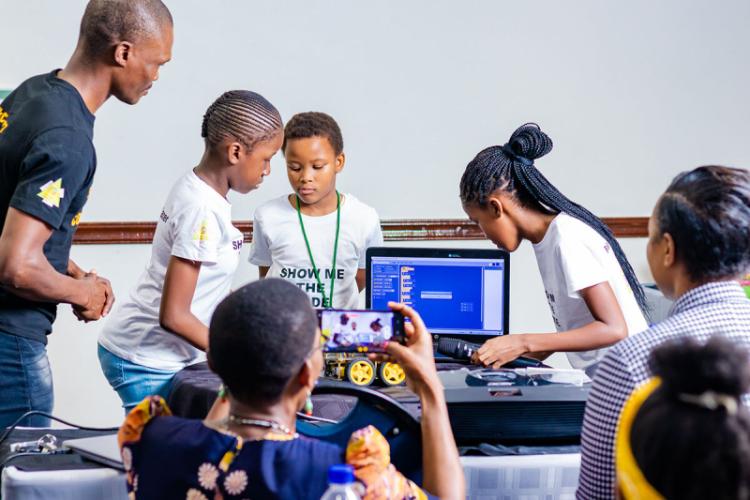
The report highlighted several success stories. Rwanda has positioned itself as an African testbed for emerging technologies, investing heavily in broadband infrastructure, digital public services, and coding academies to build a workforce ready for data-driven and AI-enabled jobs. In Egypt, Morocco, and South Africa, renewable energy and advanced manufacturing value chains are creating new roles in battery technology and solar engineering.
But these examples remain exceptions. Across the continent, only a small share of children achieve minimum reading proficiency by age 10, enrolment in technical and vocational education remains low, and tertiary education participation lags far behind global averages. The report called for comprehensive national skills compacts that put foundational learning, STEM education, and digital literacy at the centre of economic strategy — not as an add-on.
The stakes are high: Africa's youth population is projected to represent the majority of global workforce growth over the next two decades. Whether that demographic dividend becomes an economic advantage or a source of instability will depend almost entirely on whether governments, businesses, and international partners act now to build the skills and ecosystems that frontier technologies require.
"The window is narrow," Gatete warned. "The time to prepare Africa's workforce for the frontier economy is now."